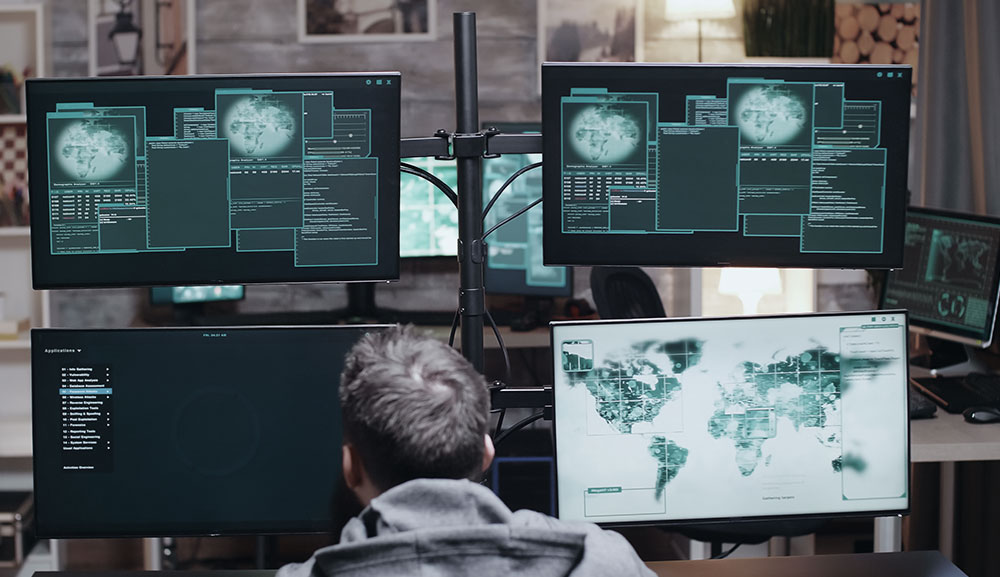
Artificial Intelligence (AI) is transforming the way cybersecurity companies detect and respond to threats by providing real-time analysis and predictive capabilities. Traditional tools often rely on signature-based detection, which struggles to catch new or evolving attacks. AI, on the other hand, can analyze massive volumes of network traffic, user behavior, and system logs to identify patterns that signal a potential breach — even if it’s never been seen before. This allows security teams to act faster, reducing the time it takes to detect and contain threats.
AI also improves incident response by automating routine security tasks, such as filtering false positives, triaging alerts, and suggesting remediation steps. With machine learning models continuously training on new data, companies can fine-tune their defenses over time, ensuring they’re adapting to current threat landscapes. This automation not only improves accuracy but also frees up human analysts to focus on more complex investigations and strategic initiatives, leading to more effective protection for clients.
Beyond detection and response, AI enhances overall cybersecurity strategy by supporting risk assessments, compliance tracking, and even fraud detection. By integrating AI into security platforms, companies can offer smarter dashboards, continuous compliance monitoring, and adaptive defense mechanisms. The result is a more proactive and scalable approach to cybersecurity that builds trust and adds value for clients of all sizes — from startups to global enterprises.